Pine Straw Installation Benefits
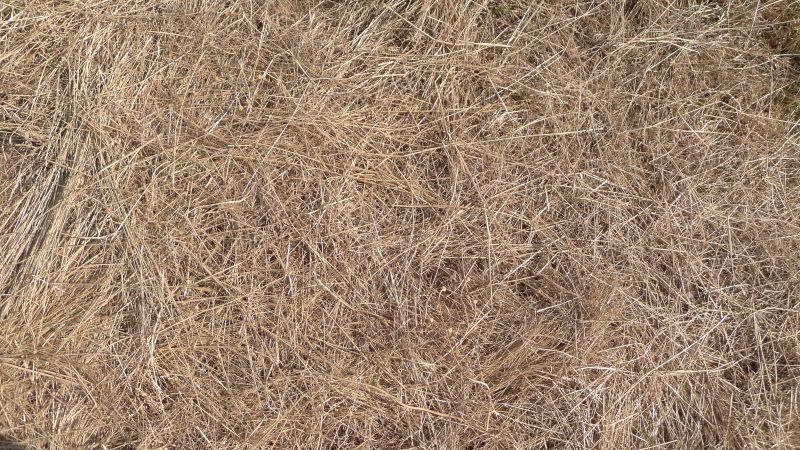
Installing pine straw in spring helps maintain moisture and suppress weeds during the growing season.
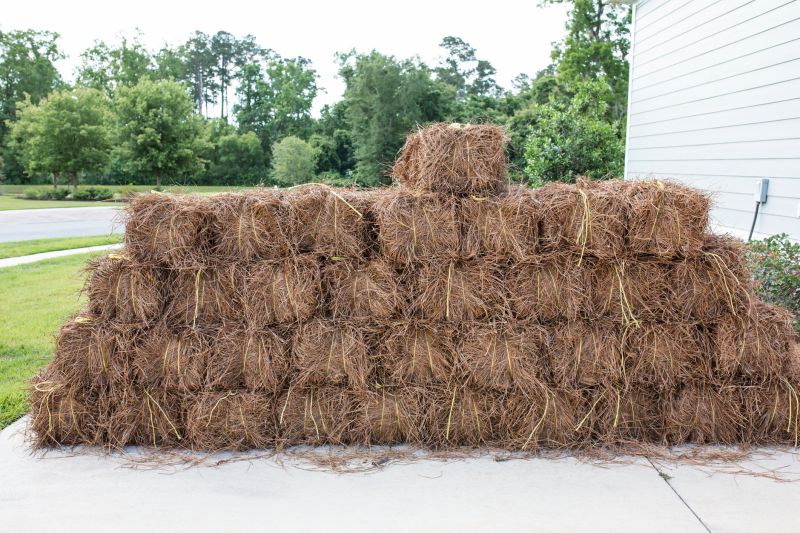
Summer installations can protect soil from heat and reduce watering needs.
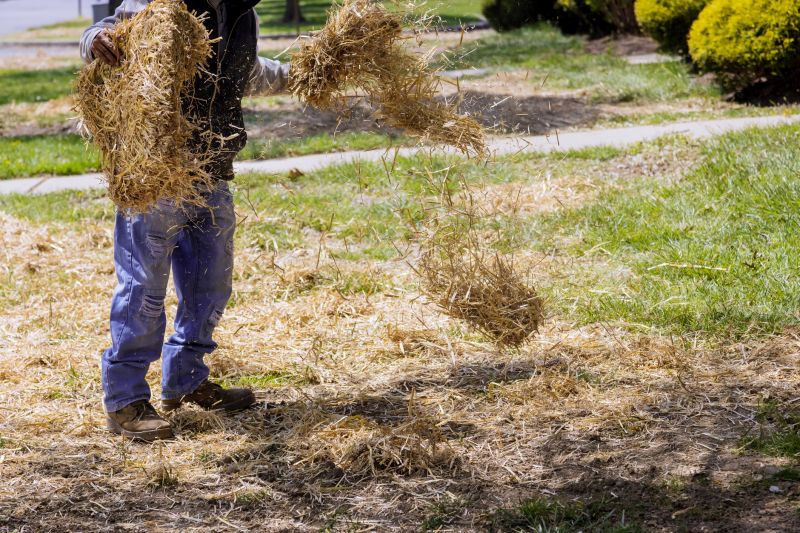
Fall is ideal for pine straw placement, providing insulation and reducing erosion through winter.
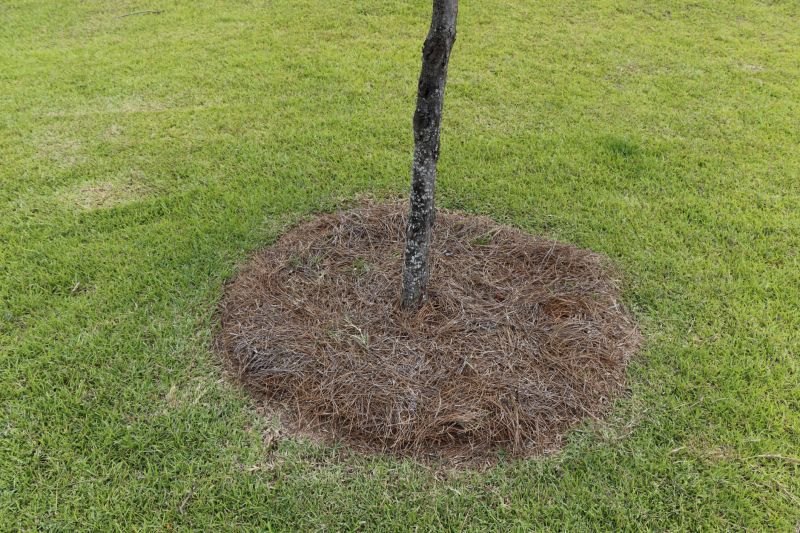
Ways to make Pine Straw Installations work in tight or awkward layouts.
Popular materials for Pine Straw Installations and why they hold up over time.
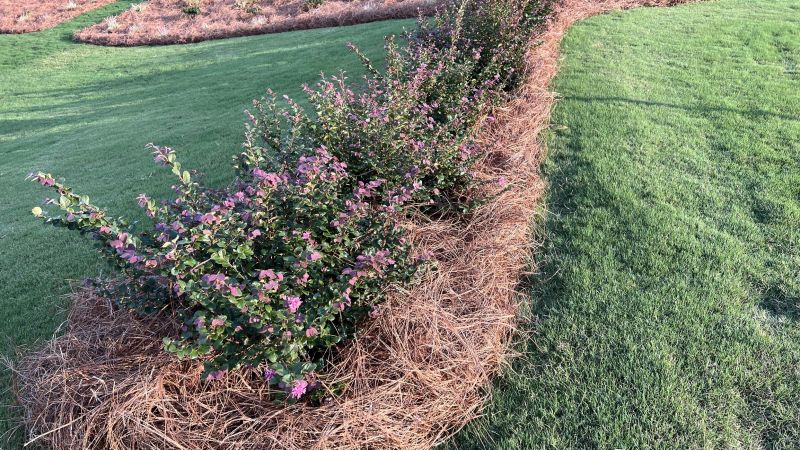
Simple add-ons that improve Pine Straw Installations without blowing the budget.
High-end options that actually feel worth it for Pine Straw Installations.

Finishes and colors that play nicely with Pine Straw Installations.
Pine straw installation is a popular landscaping practice that involves spreading pine needles around plants, trees, and garden beds. This natural mulch helps retain soil moisture, regulate temperature, and suppress weed growth. The timing of installation can influence its effectiveness, with different seasons offering unique benefits. Properly timed pine straw application can extend the lifespan of the mulch and improve plant health.
Statistics show that pine straw mulch can last from six to twelve months, depending on weather conditions and application thickness. It is also noted that pine straw can reduce soil erosion by up to 50%, making it a valuable choice for maintaining landscape integrity. The best time to install pine straw depends on local climate patterns, but generally, late summer to early fall provides optimal conditions for long-lasting coverage and plant protection.
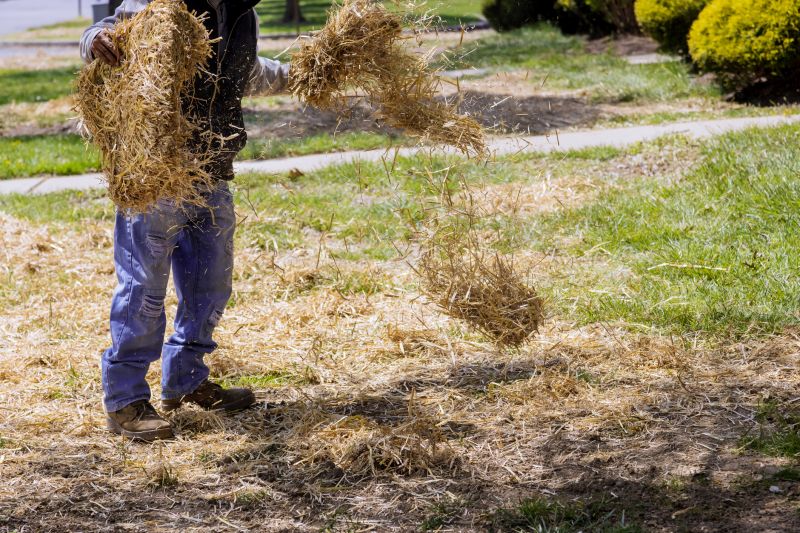
A professional installation spreading pine straw around mature trees and garden beds.
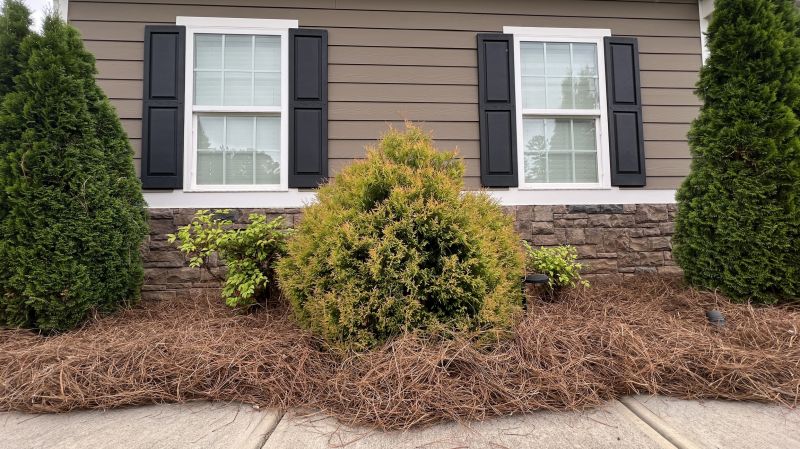
A garden bed covered with fresh pine straw mulch for weed suppression and moisture retention.
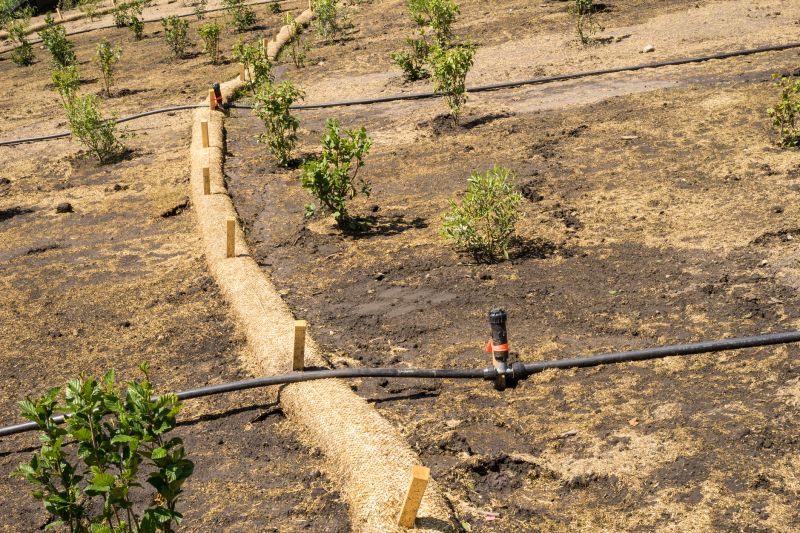
Pine straw used on a slope to prevent soil erosion during heavy rains.
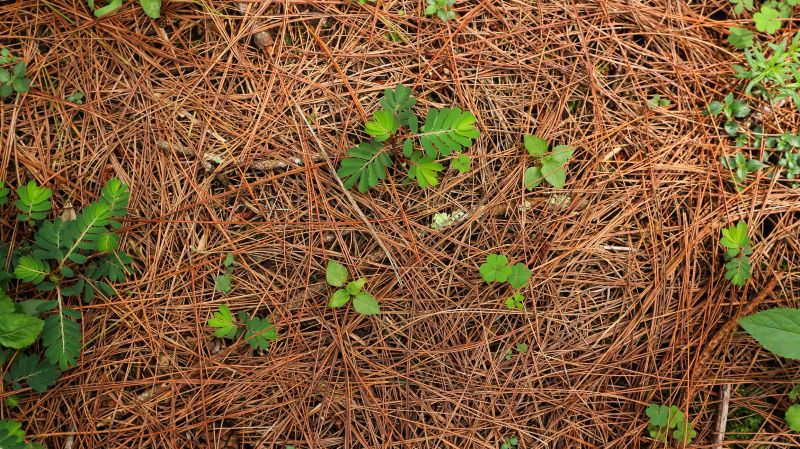
Pine straw mulching around decorative plants to enhance landscape appearance.
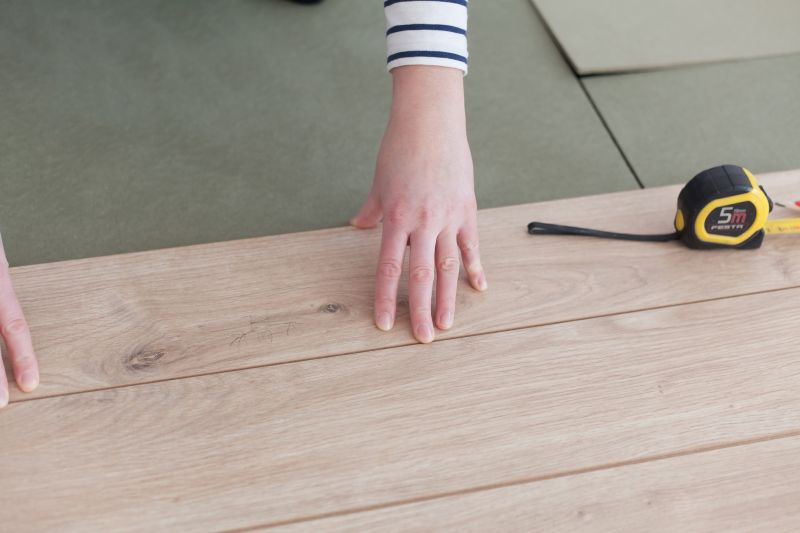
Little measurements that prevent headaches on Pine Straw Installations day.
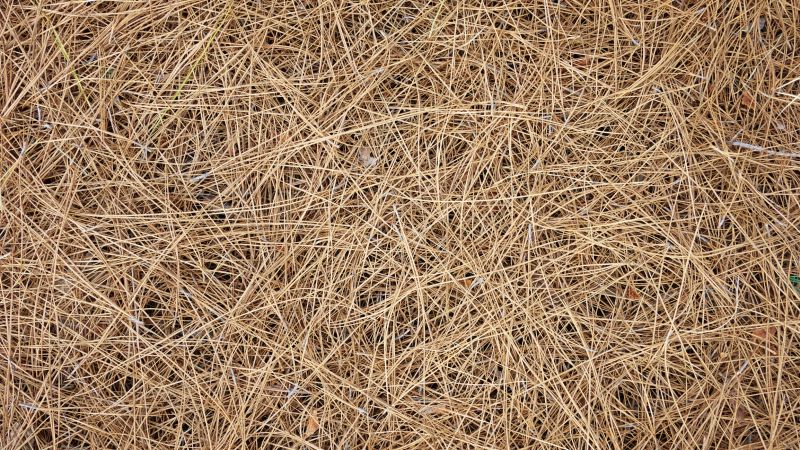
A 60-second routine that keeps Pine Straw Installations looking new.
A frequent mistake in Pine Straw Installations and how to dodge it.

Small tweaks to make Pine Straw Installations safer and easier to use.
| Season | Advantages |
|---|---|
| Spring | Supports plant growth and weed control during active growing season. |
| Summer | Helps retain soil moisture and reduces watering needs. |
| Fall | Provides insulation and reduces winter erosion. |
| Winter | Less common, but can be used to insulate plants in milder climates. |
Choosing the optimal time for pine straw installation depends on local weather conditions and landscape needs. Fall installation is often preferred because it prepares the landscape for winter, providing insulation and weed suppression. Spring and summer applications support active plant growth, while winter is less ideal unless specific climate considerations are met.
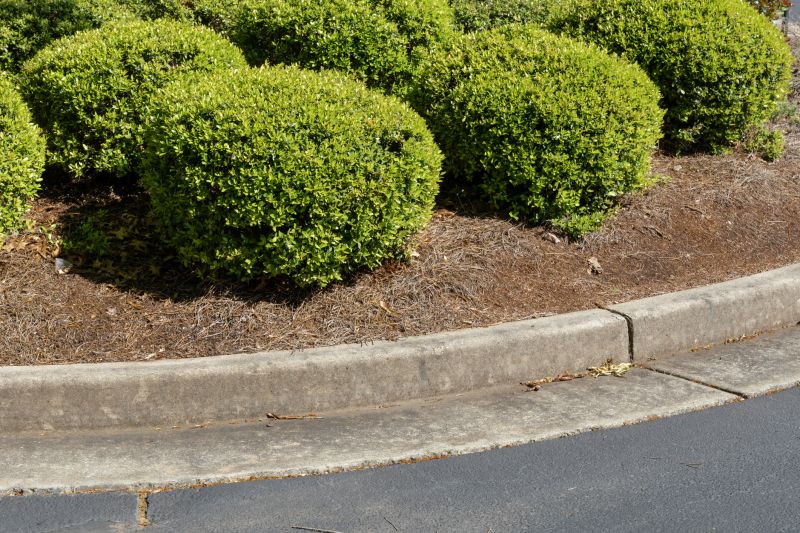
A crew applying pine straw mulch around trees and flower beds.
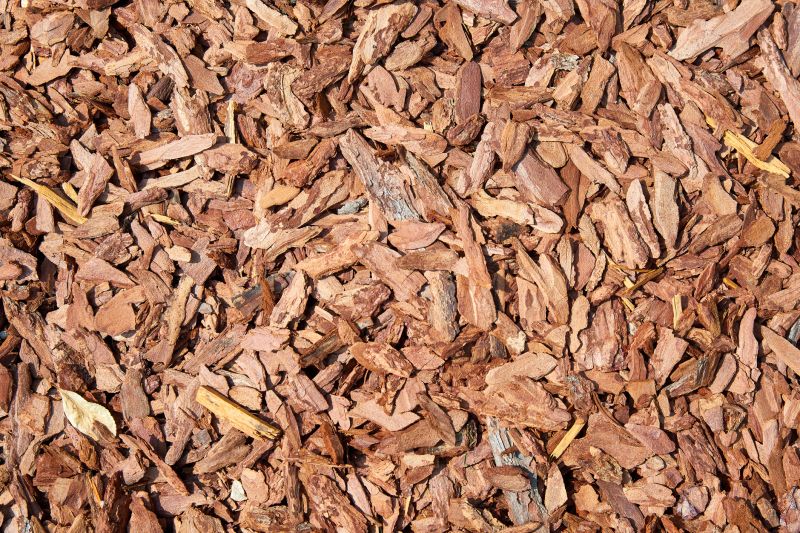
Refreshed pine straw mulch to maintain coverage and effectiveness.
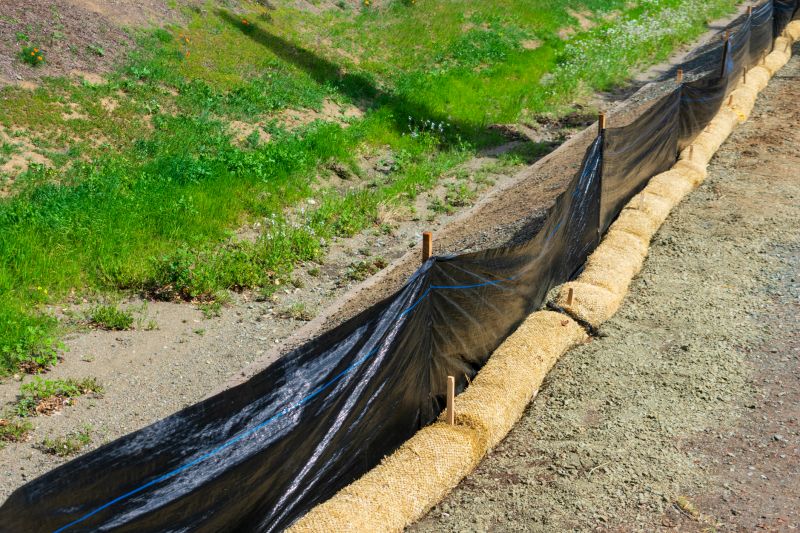
Pine straw installed on a hillside for erosion control.
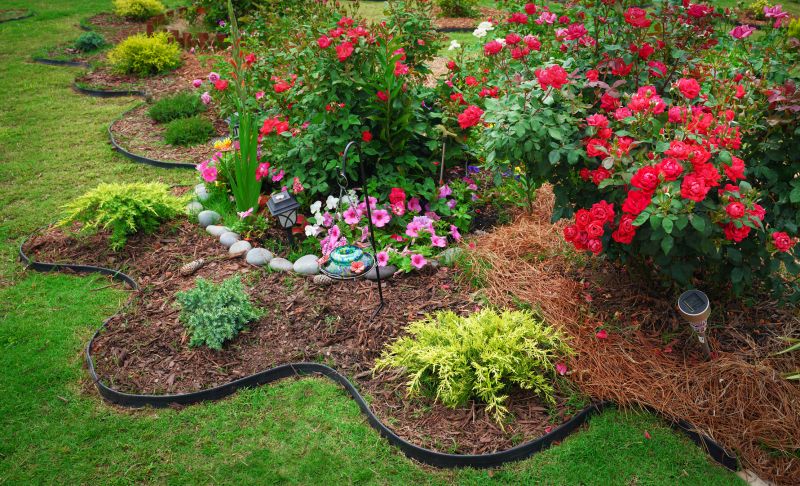
Decorative landscape with pine straw mulch enhancing visual appeal.
Lower-waste or water-saving choices for Pine Straw Installations.
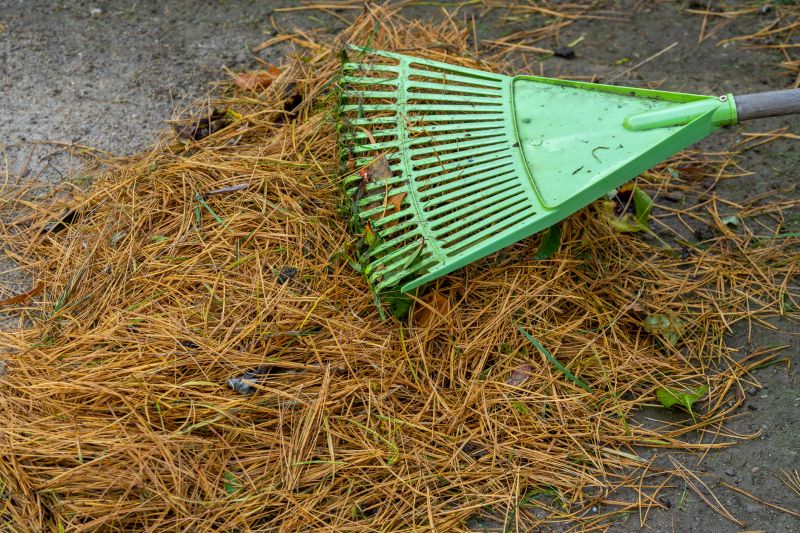
The short, realistic tool list for quality Pine Straw Installations.
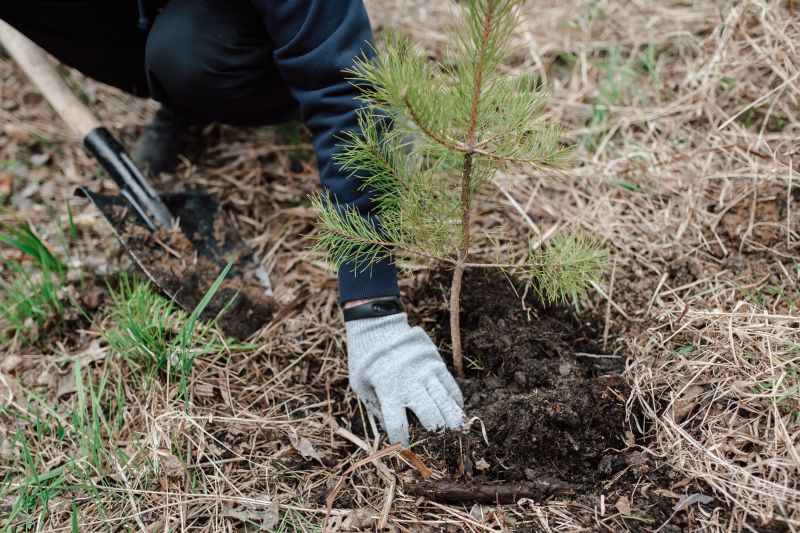
Rough timing from prep to clean-up for Pine Straw Installations.
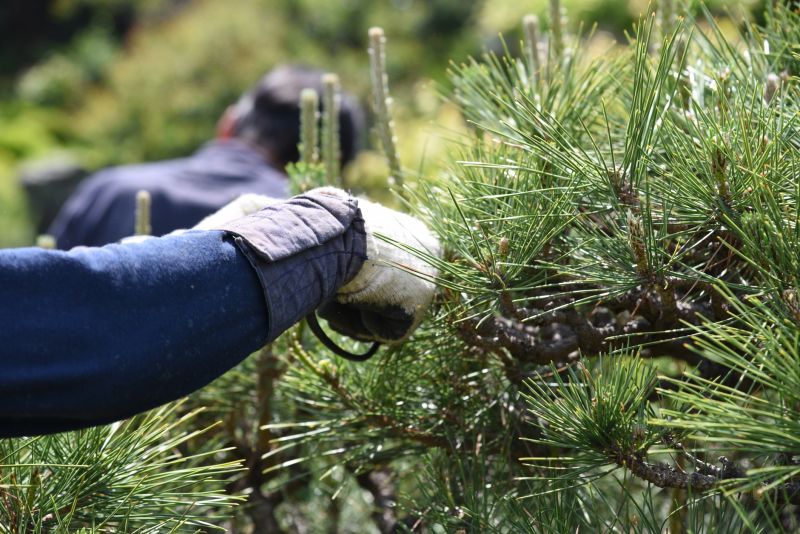
Quick checks and paperwork to keep after Pine Straw Installations.
Interested in pine straw installation services? Filling out the contact form can provide more information about scheduling and options to meet specific landscape needs.
Examples that show the impact a good Pine Straw Installations can make.
Ways to make Pine Straw Installations work in tight or awkward layouts.
Ways to make Pine Straw Installations work in tight or awkward layouts.